
The Allure of Risk and Reward
The world of casino gambling is intricately tied to the human experience of risk and reward. Many gamblers are attracted to the thrill of placing bets, driven by the potential for big payouts that can change their lives in an instant. This excitement stems from the brain’s reward system, which releases chemicals like dopamine when individuals win, reinforcing the behavior and encouraging them to gamble again. For those looking for a way to enjoy this thrill, the best online pokies australia payid combination of uncertainty and the chance for instant gratification captivates many, offering a sense of control and excitement that is hard to resist.
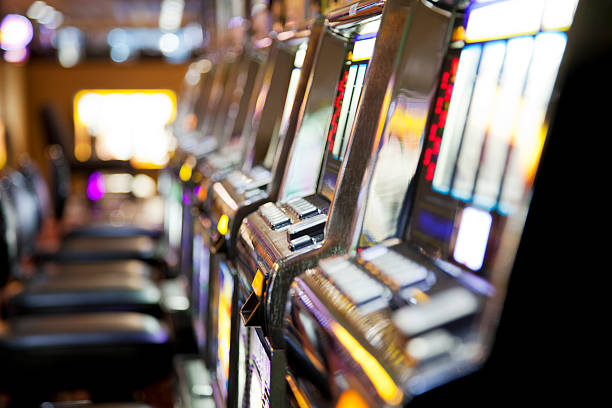
Moreover, casinos are designed to amplify this allure. The sights, sounds, and overall atmosphere create an immersive experience that engages the senses, often leading individuals to lose track of time and money. The placement of slot machines, card tables, and other gaming options are all strategically chosen to maximize player engagement. This is where the psychology of persuasion comes into play, as the environment is engineered to keep gamblers enticed and engaged, reinforcing their desire to continue playing.
Additionally, the concept of near-misses plays a significant role in the psychology of gambling. When players come close to winning—like spinning a slot machine and getting two out of three matching symbols—they experience a rush that can be interpreted as a victory. This reinforces their behavior and induces them to keep playing, despite the reality of losing. Research indicates that near-miss outcomes can often lead to increased betting behavior, as they keep players hopeful and engaged with the prospect of future wins.
The Role of Social Interaction
Social interaction is another pivotal component in the psychology behind casino gambling. Many individuals are drawn to the social environment of casinos, where they can share experiences and build connections with fellow gamblers. The camaraderie found at various game tables can be intoxicating, as it fosters a sense of belonging and community. This social aspect not only enhances the thrill of gambling but also creates a supportive atmosphere in which players can celebrate wins together and empathize with losses.
Casinos often leverage this social dynamic by hosting events, tournaments, and promotions that encourage players to gather. When players feel part of a larger community, they are more likely to engage in extended gambling sessions. The interactions that occur throughout these experiences can lead to a deepened connection with the activity itself, making it harder for individuals to walk away from the table or the slot machines they frequent.
Furthermore, the influence of peers cannot be underestimated. Many gamblers report that their decisions to bet are often shaped by the behavior and attitudes of those around them. Social pressures can lead individuals to place larger bets or play games they might otherwise avoid. This phenomenon demonstrates how social facilitation encourages individuals to gamble in ways they might not when alone, further complicating the psychological landscape of gambling.
The Impact of Emotion and Mental State
Emotion plays a central role in the decisions made by casino gamblers. Many people turn to gambling as an escape from the stresses of daily life, seeking the thrill as a form of mental relief. The temporary highs that come from winning can provide emotional relief, while losses can bring about feelings of frustration or sadness. This emotional rollercoaster can lead to problematic gambling behaviors, as individuals chase losses to recover their previous wins or seek the highs from victories.
Additionally, mental states such as excitement, anxiety, and even boredom can influence gambling habits. Excitement may drive a person to take greater risks, pushing them to bet more than they originally intended. Conversely, during times of boredom, individuals may find themselves gambling as a means of entertainment, leading to impulsive decisions fueled by a desire for stimulation. Understanding the emotional triggers that lead to gambling choices is crucial for addressing responsible gambling practices.
The psychological need for escapism can also contribute to a cycle of gambling behavior. Individuals may gamble to forget their problems temporarily, but the outcome of their gambling can lead to further emotional distress. This cycle can be hard to break, as losing can result in heightened emotions that push individuals to gamble even more, perpetuating the cycle of seeking relief through risk-taking behavior. Recognizing this relationship between emotion and gambling is essential for both players and those seeking to understand the underlying psychological motives.
Behavioral Patterns and Addiction
The behavioral patterns surrounding gambling can often lead to addiction, which is a serious concern for many players. Gambling addiction, or compulsive gambling, manifests through a pervasive urge to gamble despite negative consequences. This addiction is comparable to substance abuse, as it can alter brain function and lead to the development of maladaptive behaviors. Recognizing the signs of gambling addiction is crucial for timely intervention and support.

Patterns of behavior often seen in gambling addiction include preoccupation with gambling, using gambling as a coping mechanism, and lying about gambling habits. Gamblers may find themselves rationalizing their losses or downplaying the risks involved in their betting. This denial can perpetuate the cycle of addiction, making it challenging for individuals to face the reality of their situation. The psychological grip of gambling can lead to severe personal, professional, and financial consequences.
To combat the risks associated with gambling addiction, support systems and resources are essential. Many individuals benefit from counseling and support groups that focus on recovery from gambling addiction. Therapy can provide strategies to address underlying psychological issues, helping individuals develop healthier coping mechanisms. Education on the risks of gambling and promoting responsible gambling practices are also vital components to mitigate the risks of addiction in the broader community.
Understanding Gambling on a Broader Scale
Understanding gambling behavior extends beyond individual psychology; it encompasses broader societal influences and trends. The normalization of gambling in various forms of media can significantly impact how people perceive and engage with gambling activities. From movies to advertisements, the glamorization of gambling can shape attitudes and beliefs, often portraying it as an exciting and harmless pastime. This mainstream acceptance can make individuals more susceptible to gambling-related decisions.
Moreover, the rise of online gambling has transformed traditional gambling paradigms. The accessibility of online platforms has made it easier for individuals to gamble from the comfort of their homes, which can lead to impulsive behavior and increased risks. Online casinos often employ strategies that mimic the excitement of brick-and-mortar establishments, using enticing graphics and instant rewards to keep players engaged. This shift poses new challenges for players, as they navigate these virtual environments that can amplify the psychological effects of gambling.
Ultimately, understanding the psychology behind casino gambling is essential for promoting responsible gambling practices and addressing the complexities of gambling behavior. Education, awareness, and support systems play crucial roles in guiding individuals toward healthier relationships with gambling, fostering a safer gaming environment for all. By exploring the intricate psychological underpinnings of gambling, we can better equip players to make informed decisions and understand the implications of their choices.